inspiration · Travel Notes
New Year in Kyoto: A Thoughtful Guide to December and January
A refined guide to experiencing Kyoto from December through January, covering year-end rituals, temple visits, New Year closures, and seasonal celebrations. It helps thoughtful travelers plan a quieter, more meaningful stay while respecting local customs.
Kyotofish Editorial ·
Kyoto at New Year is not a city-wide countdown party. It is a time of bells, shrine visits, family meals, temporary closures and an unusually visible sense of ritual. From late December into January, the best approach is to plan less, reserve the essential parts of your stay, and leave room for the city’s religious calendar. Come for a few days rather than a hurried night: you will have time for a year-end market, the bell on New Year’s Eve, an early hatsumode visit, and a quieter cultural day once the busiest hours have passed.
This guide is for travel between December 2026 and January 2027. Annual customs below are based on official recurring-event information; a complete 2026–27 programme and holiday closure list have not been confirmed for this guide. Dates, access, admission, photography and crowd controls can change. Treat the official links in the source list as your final check before you leave your house.
Understand the rhythm before you build an itinerary
The days before 31 December suit unhurried cultural visits and year-end observances. From New Year’s Eve through the first days of January, shrines and temples become the centre of attention. Many shops, galleries and cultural sites close or keep reduced hours.
Kyoto Travel, the city’s official guide, describes the season through Joya no Kane, the 108 bell tolls heard at temples on 31 December, and hatsumode, the first shrine or temple visit of the year. These are religious customs, not ticketed entertainment. The experience is more rewarding if you choose one place, learn its rules, arrive with patience, and avoid treating a ceremony as a backdrop for a hurried photograph.
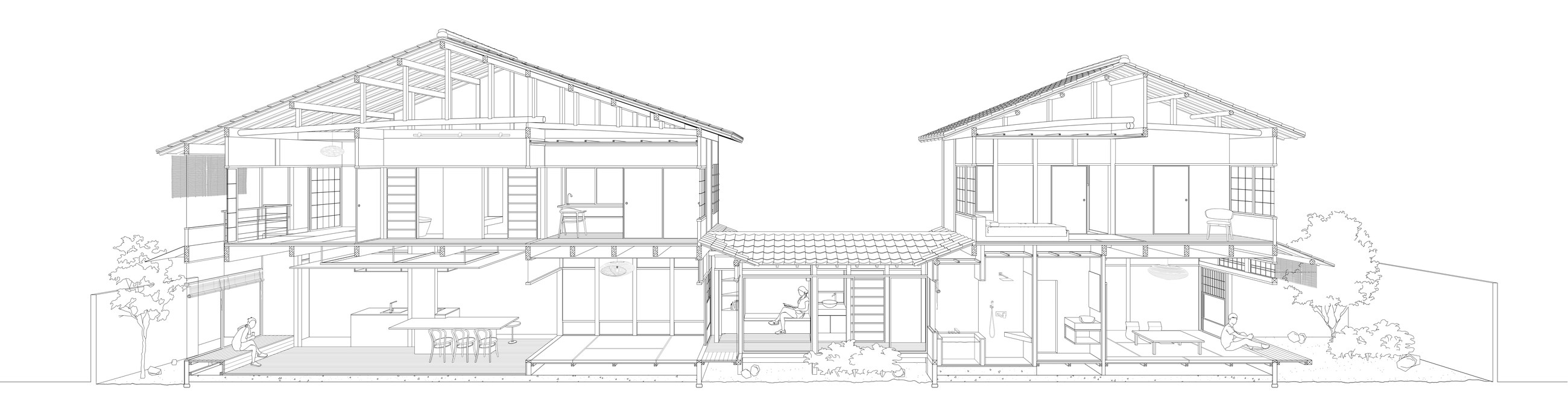
The city is cold in December and January, so a private house gives you somewhere to pause between rituals. Our guide to Kyoto in winter explains how to pack and plan the shorter days; Machiya or Luxury Hotel? helps compare suitable bases.
Late December: let year-end preparation lead the way
The best days for museums, shops and longer walks are often before holiday closures begin. Kyoto Travel publishes an annual closure notice, but confirm every museum, temple and restaurant directly.
One dependable point in Kyoto’s year-end calendar is Shimain Kobo, the final monthly market at Tō-ji on 21 December. It is a chance to walk, look and eat something warm rather than a “must-buy” itinerary. Protect your belongings in crowds and do not block narrow paths while photographing vendors.
The days after Christmas suit one district, a long lunch and a return to your house before dusk. Confirm seasonal schedules and reservation policies; our reservation and etiquette guide covers the basics.
31 December: choose one ritual, not a countdown
Joya no Kane: the New Year’s Eve bell
On New Year’s Eve, temples across Kyoto ring their bells 108 times around midnight. The number is associated with human attachments or worldly desires in Buddhist tradition. Some temples allow visitors to observe, some run timed admission or have a limited capacity, and a few offer opportunities for participation. None should be assumed from a previous year’s listing.
Kyoto Travel’s official guidance is clear: these are not countdown parties. Travel in a small group, keep voices low, follow photography rules and expect crowd controls. Consider a smaller temple near your accommodation after confirming its notice.
Okera Mairi at Yasaka Shrine
For a distinctly Kyoto year-end ritual, Okera Mairi at Yasaka Shrine is an annual observance on 31 December. Yasaka Shrine states that the ceremony begins around 7:30 p.m. and continues until early New Year’s morning. Sacred fire is transferred to a straw rope; traditionally, people took the flame home to start the first fire of the year.
Gion will be busy. Do not follow geiko or maiko, enter private alleys, use a selfie stick in a crowd, or assume every point is suitable for photographs. Return quietly.
1–3 January: hatsumode, but on your own terms
Hatsumode is the first visit of the year to a shrine or temple. Visitors may offer a prayer, draw an omikuji fortune or receive an amulet. Kyoto’s official visitor information cautions that New Year shrine and temple visits are crowded; that is not a reason to avoid them, but it is a reason to choose a time with care.
The quietest decision is often to go early, choose one site, and stay long enough to understand it. The first morning of the year can be especially meaningful, but the most crowded. A visit on 2 or 3 January—or later in the month—can be equally sincere and more spacious. Dress warmly, use public transport where possible, and do not treat worshippers as part of a photo set.
Yasaka Shrine also lists New Year rites on 1 January and a first Noh offering and karuta ceremony on 3 January. Conditions for observing these events, including public access, should be confirmed directly with the shrine. At Kitano Tenmangū, the annual brush-writing observance is associated with 2 January; its current announcement and participation details should likewise be checked before travel.
4–12 January: extend the trip past the first rush
The days after the initial hatsumode surge can be the most satisfying time to be in Kyoto. The city begins to resume its everyday rhythm, while several annual customs remain visible.
Kemari Hajime at Shimogamo Shrine is traditionally held on 4 January, when participants in Heian-style dress perform the courtly ball game kemari. The shrine’s previous New Year notice lists a 1:30 p.m. start; this is not confirmation of the 2027 schedule. Check the new programme, access and any reserved viewing arrangements directly with the shrine.
From 8 to 12 January, Kyoto Ebisu Shrine holds Tōka Ebisu, its five-day New Year festival. The shrine’s official page lists a sequence including Shōfuku-sai on the 8th, Yoi Ebisu on the 9th, the central Tōka Ebisu festival on the 10th, Nokorifuku on the 11th and Teppuku-sai on the 12th. The festival is associated with prayers for business prosperity and the presentation of lucky bamboo; it can be very crowded, particularly around the central days. Check the shrine’s current notice for opening hours, public-access arrangements and any changes.
Choose Tōka Ebisu for a living local festival, Shimogamo for court ritual and woodland, or neither. January also suits a museum, craft-focused afternoon or neighbourhood walk; our guide to Kyoto’s makers is a useful companion.
A four-night New Year framework
Night one, 29 or 30 December: arrive, settle in and confirm what will be open during your stay.
Full day, 30 or 31 December: choose one cultural visit that has confirmed its holiday opening hours. If you plan a bell ceremony or Okera Mairi, eat early and travel light.
New Year’s Day: choose a hatsumode visit, then remain flexible. Expect closures and crowds.
2–4 January: add one shrine or temple and one indoor cultural visit. Make an annual event the day’s only fixed commitment.
Departure day: leave time for a neighbourhood walk and a calm transfer.
Practical rules that make the trip kinder
Kyoto Travel asks visitors to be quiet in residential areas, carry rubbish when necessary, respect photography restrictions and avoid unlicensed accommodation. At New Year those guidelines matter even more.
Use Kyoto Travel’s congestion forecast on the morning of your visit. Check late services, and do not assume taxis will be easy to find around major shrines at midnight.
Stay with enough room for the rituals
Kyoto’s New Year is best when your accommodation has room for stillness as well as celebration. A private house gives a couple, family or group somewhere to return to between a crowded shrine approach and a late dinner. When you are ready, explore Kyotofish houses and check current house information, accessibility details and availability before booking.
Frequently asked questions
Are restaurants, museums and shops open over New Year in Kyoto?
Some are, but many close or operate on reduced hours. Kyoto Travel publishes a year-end closure notice, and every venue should be checked directly before travel. Do not plan a holiday itinerary around assumed opening hours.
Can I ring a temple bell on New Year’s Eve?
It depends entirely on the temple and the year’s arrangements. Some temples permit participation under limited conditions; many do not. Confirm through the individual temple’s official notice.
Is Okera Mairi a good option for children or first-time visitors?
It can be memorable, but it is a late-night, crowded religious observance. Consider your group’s comfort, the weather, transport and the need to move quietly around Gion. A daytime hatsumode visit may be more suitable for some families.
What should I wear for a New Year ceremony?
Wear warm, comfortable layers and shoes suited to standing outdoors. Follow each site’s requests about bags, photography and footwear. Formal dress is not required of visitors unless a venue says otherwise.
Sources and refresh notes
- Kyoto Travel: Art & Culture (official Kyoto City guide; checked 6 November 2026)
- Kyoto Travel: Joya no Kane (official Kyoto City guide; page checked 6 November 2026; linked venue PDF unavailable at review, so confirm directly with each temple)
- Kyoto Travel: Year-End and New Year closures (official Kyoto City guide; page checked 6 November 2026; linked closure PDF unavailable at review, so confirm directly with each venue)
- Yasaka Shrine: New Year rites (official shrine site; checked 6 November 2026)
- Kyoto Ebisu Shrine: Tōka Ebisu (official shrine site; checked 6 November 2026)
- Kyoto Travel: Responsible Travel (official Kyoto City guide; checked 6 November 2026)
- Kyoto City Official Tourism Navi: event listings (official city tourism guide; checked 6 November 2026)
- Kyoto City Tourism Navi: Shimai Kobo, 21 December 2026
- Shimogamo Shrine: previous New Year schedule (2026, not 2027)
- Kitano Tenmangu: annual observances